A Knight of the Seven Kingdoms Is the Best Thing You’ll Watch After Game of Thrones
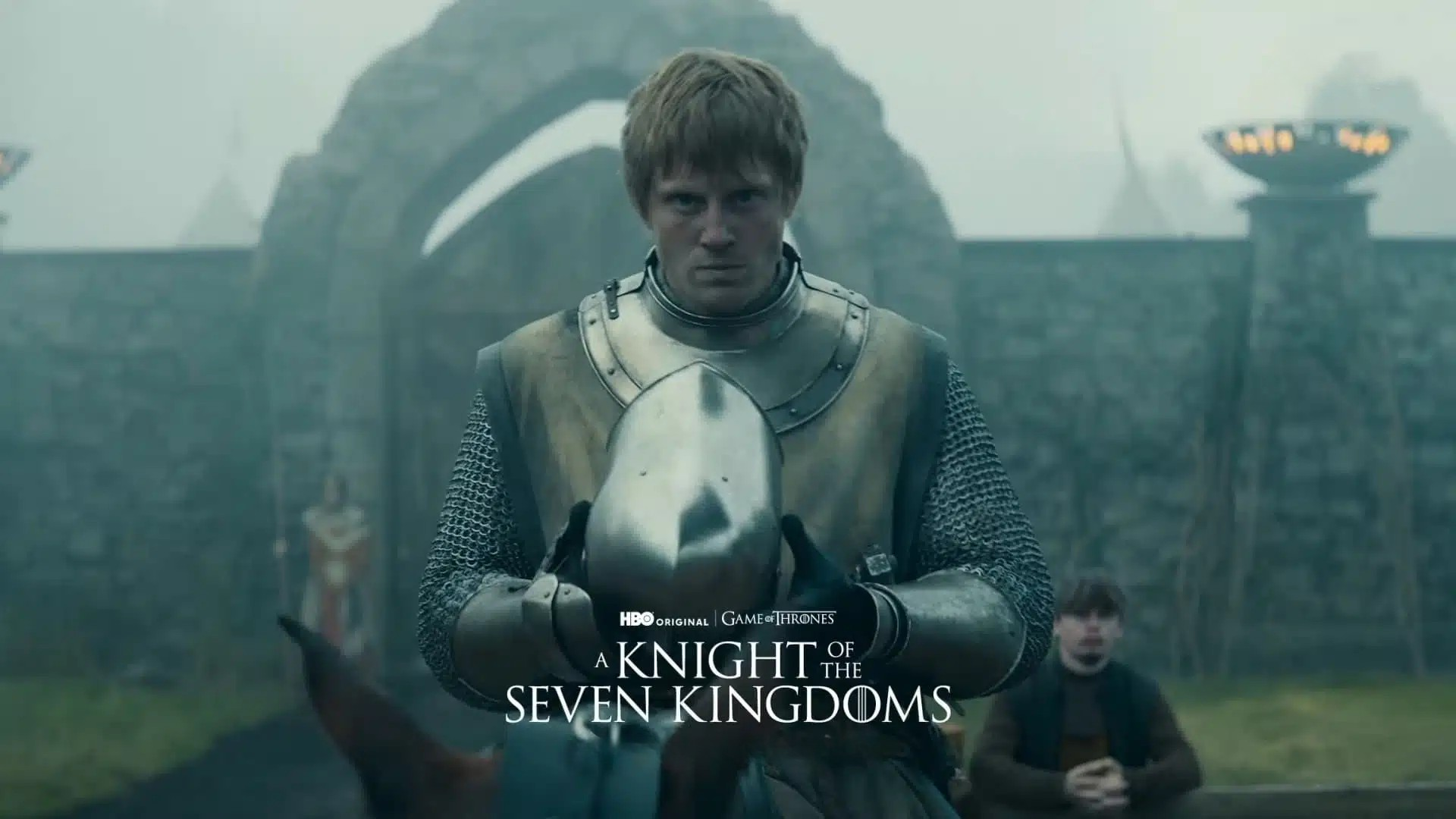
After making my way through all six episodes of this first season, I had to stop and sort through everything I felt while watching. This series is too good to just let sit without some real reflection.
Most people who keep up with Game of Thrones or House of the Dragon probably expected big moments and explosive set pieces. I mean, it’s another entry in that universe, right? But A Knight of the Seven Kingdoms goes in a completely different direction and doesn’t even try to compete on that level of spectacle.
Instead, it delivers something way more intimate. The focus stays on two characters sleeping rough and gradually learning what honor actually means. It’s that simplicity that gives the adaptation its real strength.
The entire story rests on two pillars: friendship and honor. And it’s not handled in some generic way. The show knows exactly what it wants to say with these themes and develops them through the relationship between Dunk and Egg.
What really got me was how the series questions what it actually means to be a knight. Dunk starts out as someone without formal knighthood, but through the choices he makes over the season, it becomes crystal clear that he’s a true knight. Honestly, he’s more of a knight than most people who carry the title and were born into it.
The show demonstrates this instead of explaining it. We watch, right in front of us, as he becomes the Knight of the Seven Kingdoms in practice.

While other shows constantly lean on epic moments and desperate situations—often weakening the narrative and leaving everything feeling hollow—the opposite happens here.
A well-placed line of dialogue can shift the entire story. A silence. A look. A moment of doubt. It all creates a ripple effect through the plot and the characters, and most importantly, through whoever’s watching.
In this series more than ever, dialogue is action. If you think dialogue is just people talking without moving the plot forward, maybe you haven’t seen how brilliantly this show does it.
I’m a huge dialogue guy—I write my stories almost entirely around conversations—so when I see something executed with this kind of mastery and at this level, I just have to stand up and applaud.
Speaking of which, this series really brought out something Game of Thrones already did, but didn’t make quite as obvious: the way George R. R. Martin built a universe where we need to distrust everything.
Stories, legends, myths—they can all be fabricated. And in A Knight of the Seven Kingdoms, that takes on a whole new dimension.
When we watch or read Game of Thrones, we’re looking at supposedly official history. But did things really happen that way?
Decades after the events of A Knight of the Seven Kingdoms, there are accounts of how Ser Duncan became the symbol of the honorable knight. Except now we’re watching that story get built right in front of us. Not in castles, not from the perspective of people claiming to admire or follow Duncan the Tall’s example.
What we’re seeing is where Duncan actually came from. We’re following it from the bottom, from his peers’ perspective—a man who didn’t even have a private place to take care of basic needs.
That opens up something really interesting. Because it massively expands the speculation about what actually happened with Duncan and Egg in the future. The future we already know about—is that really the truth, or is it just another unreliable tale coming out of Westeros’s palaces?
The show questions these certainties multiple times. So who knows what the future might still reveal? Maybe the adaptation will go beyond these three novellas. Maybe it won’t. But right now, it’s already delivering something most shows don’t offer: the chance to question the supposed facts of the Game of Thrones universe.

As a spin-off, it made sense that the show wouldn’t overturn what happened in the main series. In a different story, that might feel limiting. But we’re in Westeros—a universe created by a genius who’s always made us question the truth about the world he built. If we can’t fully trust anything, why should we believe that everything said in Game of Thrones is gospel?
And I’m hoping that when season two comes around, it doesn’t buckle under the pressure for more. More explosive battles, more massive moments, more of the spectacle that turned Game of Thrones into one of the most influential fantasies in pop culture.
The real strength of A Knight of the Seven Kingdoms is doing so much with so little. And I’m not talking about budget—I mean scope. Almost everything happens in the same place. The writing sustains the narrative, the story breathes, and dialogue and silence are the true foundation of everything.
The series doesn’t try to be enormous because its protagonists already do that on their own.
This first season is one of those where you finish and immediately want more—want any news at all just to keep talking about it forever. I wouldn’t change a single thing. It’s too perfect to tinker with.
And I’m hoping to come back soon and tell you what I think of the next season.